
Inside Nike’s second innings in India
Within six days, Nike returned to Indian cricket and launched its first running shoe designed for India. Much of the comeback is being built outside Nike India, a loss-making wholesaler.

Within six days, Nike returned to Indian cricket and launched its first running shoe designed for India. Much of the comeback is being built outside Nike India, a loss-making wholesaler.
With two teams gone and no guaranteed rights fee, the clubs put every match on YouTube.

Media Partners Asia expects a 94-match IPL to fetch Rs 48,500 crore, flat overall and 13% lower per match. One credible buyer leaves the BCCI bargaining over everything beyond the cheque.
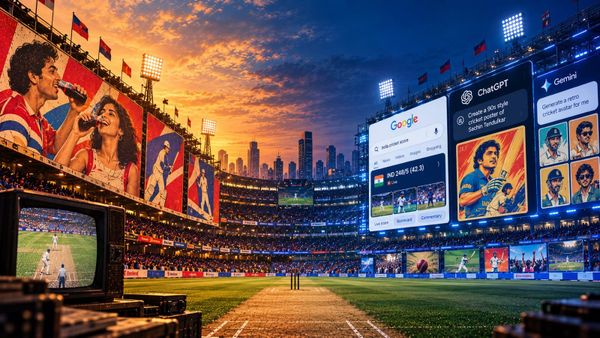
As gaming money receded, Google and OpenAI turned to cricket with rights, partnerships, and media packages valued at nearly Rs 1,500 crore. Both want their products to become the first place Indians turn to when a question comes to mind.
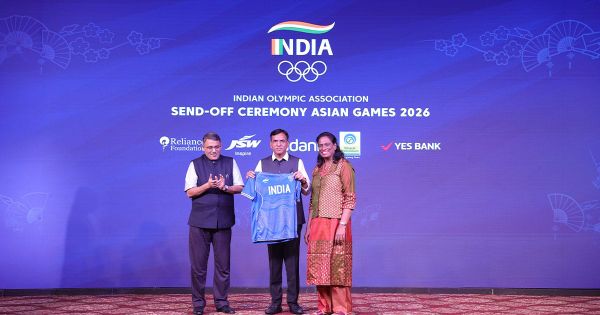
Since 2022, JSW Inspire has dressed India at multi-sport Games, using the IOA’s apparel rights to build a sportswear business within an Olympic sponsorship market that had no organised commercial structure a decade ago.
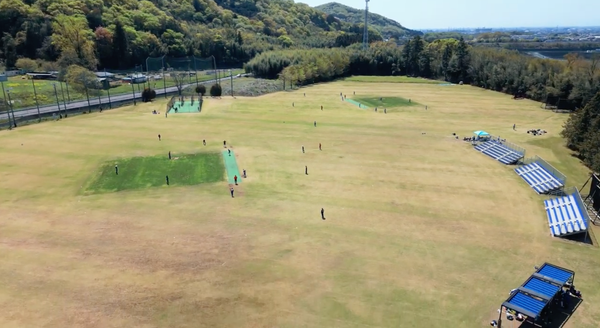
India’s one-off T20 against Japan, played on a former school field, precedes the men’s Asian Games campaign and opens the countries’ 75th-anniversary celebrations. The match carries a commercial aim as Indian cricket looks abroad for growth.
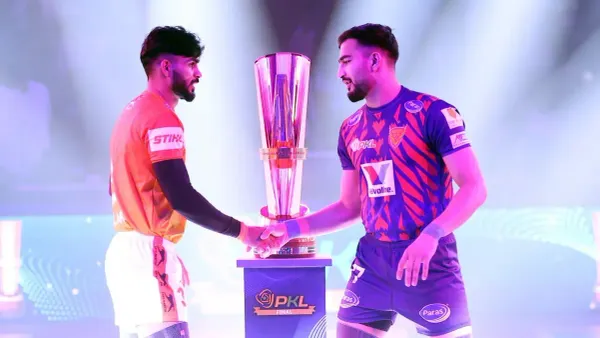
For a decade, the Pro Kabaddi League taught India to watch. The next five years will test whether that attention can become a business.
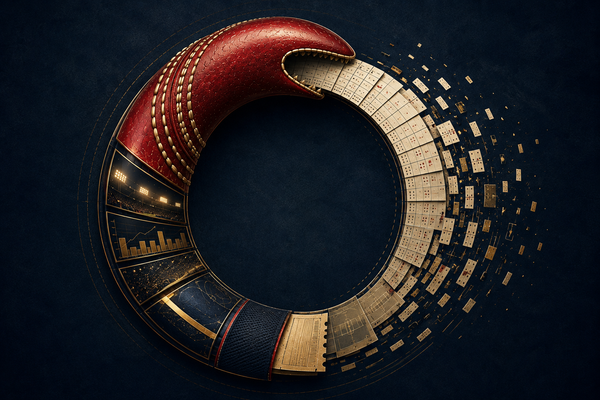
Indian cricket has never looked richer. The money now gathers around the properties that draw time and value away from bilateral cricket.

Coimbatore-based TRYB is building men’s sports innerwear without patents or a pitch deck. It is asking men to spend on a discomfort they have mostly learned to keep private.
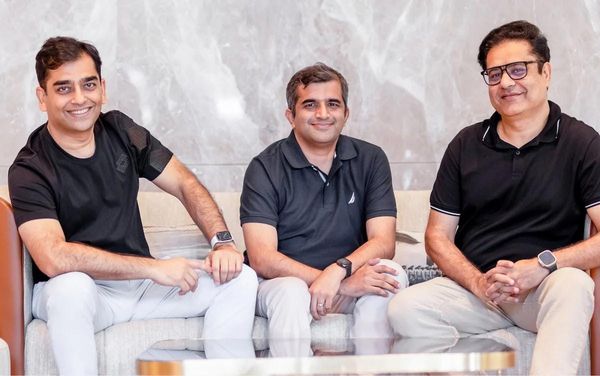
After turning Puma into India’s biggest sportswear business, Abhishek Ganguly is trying to build a sportswear company from the factory floor up, bringing manufacturing, licensed labels, owned brands, and retail into one company.
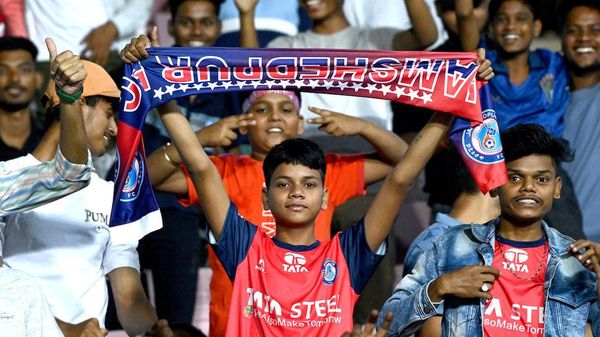
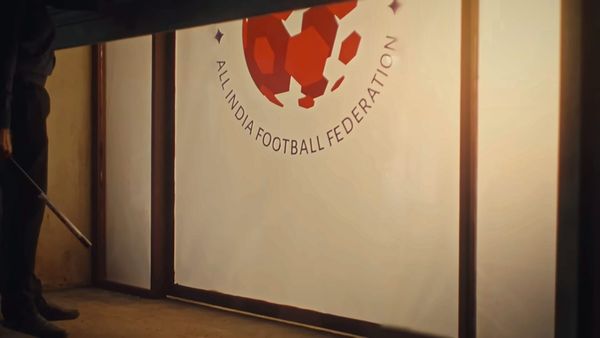
Tata Steel spent Rs 321 crore and nine years building Indian football’s most credible club. Jamshedpur FC’s nine-year run ended on an unpaid invoice of Rs 55 lakh.

For a decade, Cult.fit has argued that the gym that actually makes people sweat is the one that makes money. The IPO is the first public test of that argument.